
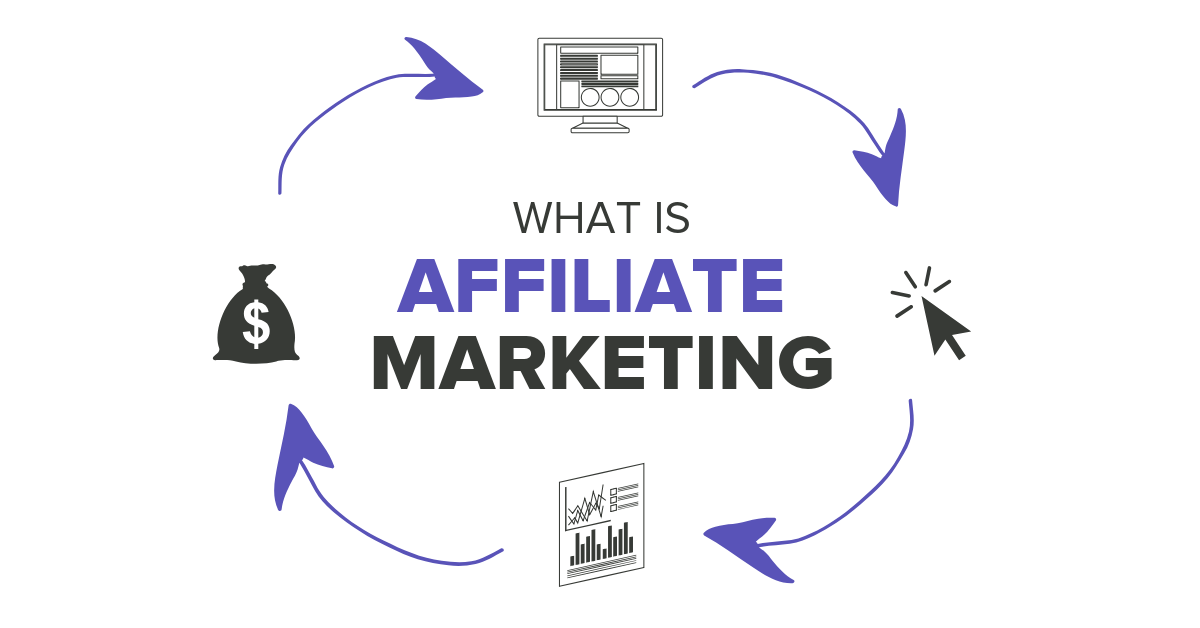
Affiliate marketing is a performance-based marketing strategy in which a business rewards affiliates for each customer brought to the business by the affiliate's own marketing efforts. The affiliates, or publishers, are typically individuals or companies who have a website or other online presence and promote the products or services of the business through their own marketing efforts, such as through a blog or social media channels.
In affiliate marketing, affiliates typically earn a commission for each sale or other action that results from their marketing efforts. The business provides affiliates with unique tracking links or other tools to use in their marketing, and the business tracks the sales or other actions that result from the affiliates' efforts.
Affiliate marketing can be an effective way for businesses to reach a larger audience and for affiliates to earn income by promoting products or services that they believe in. However, it's important for both businesses and affiliates to carefully research and choose the right products and programs to promote, and to ensure that all marketing efforts are ethical and comply with the relevant laws and regulations.
Here is a brief overview of what you might learn in a full course on affiliate marketing:
Basics of affiliate marketing: This might include an overview of how affiliate marketing works, the different types of affiliate programs and networks, and the benefits and challenges of using this strategy.
Finding and joining affiliate programs: This could cover tips on how to research and find affiliate programs that are a good fit for your website or online presence, as well as how to apply and get accepted into these programs.
Promoting affiliate products: This might include advice on how to choose the right products to promote, how to create and publish marketing content, and how to use social media and other channels to promote affiliate products.
Tracking and analyzing performance: This could cover how to use tracking links and other tools to measure the performance of your affiliate marketing efforts, and how to use this data to optimize your campaigns.
Legal and ethical considerations: This might include a discussion of the legal requirements for disclosing affiliate relationships, as well as ethical considerations such as ensuring that you are not misleading your audience or promoting products that you do not believe in.
Advanced affiliate marketing strategies: This could include a discussion of more advanced tactics such as using paid advertising, building an email list, and integrating affiliate marketing with other marketing channels.
This is just a general outline, and the specific content of a course on affiliate marketing may vary depending on the instructor and the level of detail covered.
TOOLS :
There are many tools available to help with affiliate marketing. Here are a few examples:
Affiliate tracking software: This is a tool that allows businesses to track the sales and other actions resulting from affiliates' marketing efforts. Some examples include Omnistar, Tapfiliate, and Voluum.
Affiliate marketing platforms: These are websites or services that connect businesses with affiliates and provide tools for managing and tracking affiliate partnerships. Some examples include Commission Junction, ClickBank, and ShareASale.
Link cloaking tools: These are tools that allow affiliates to create shortened, branded links that redirect to the actual affiliate link. This can help affiliates create more attractive and professional-looking links, and can also help businesses track clicks on these links. Some examples include Pretty Links and ThirstyAffiliates.
Keyword research tools: These are tools that allow affiliates to research and identify keywords that are relevant to the products or services they are promoting. This can help affiliates create more effective marketing content and improve the chances of their content ranking well in search engines. Some examples include Ahrefs and SEMrush.
Email marketing tools: These are tools that allow affiliates to create and send email campaigns to promote affiliate products. Some examples include Mailchimp and AWeber.
These are just a few examples, and there are many other tools available as well. It's a good idea to do some research and choose the tools that best meet your needs and budget.
If you found this course helpful, please share it with your friends and
colleagues to help them learn more about Digital marketing. Sharing is
a great way to support the content you enjoy and to help others
discover new resources and information.